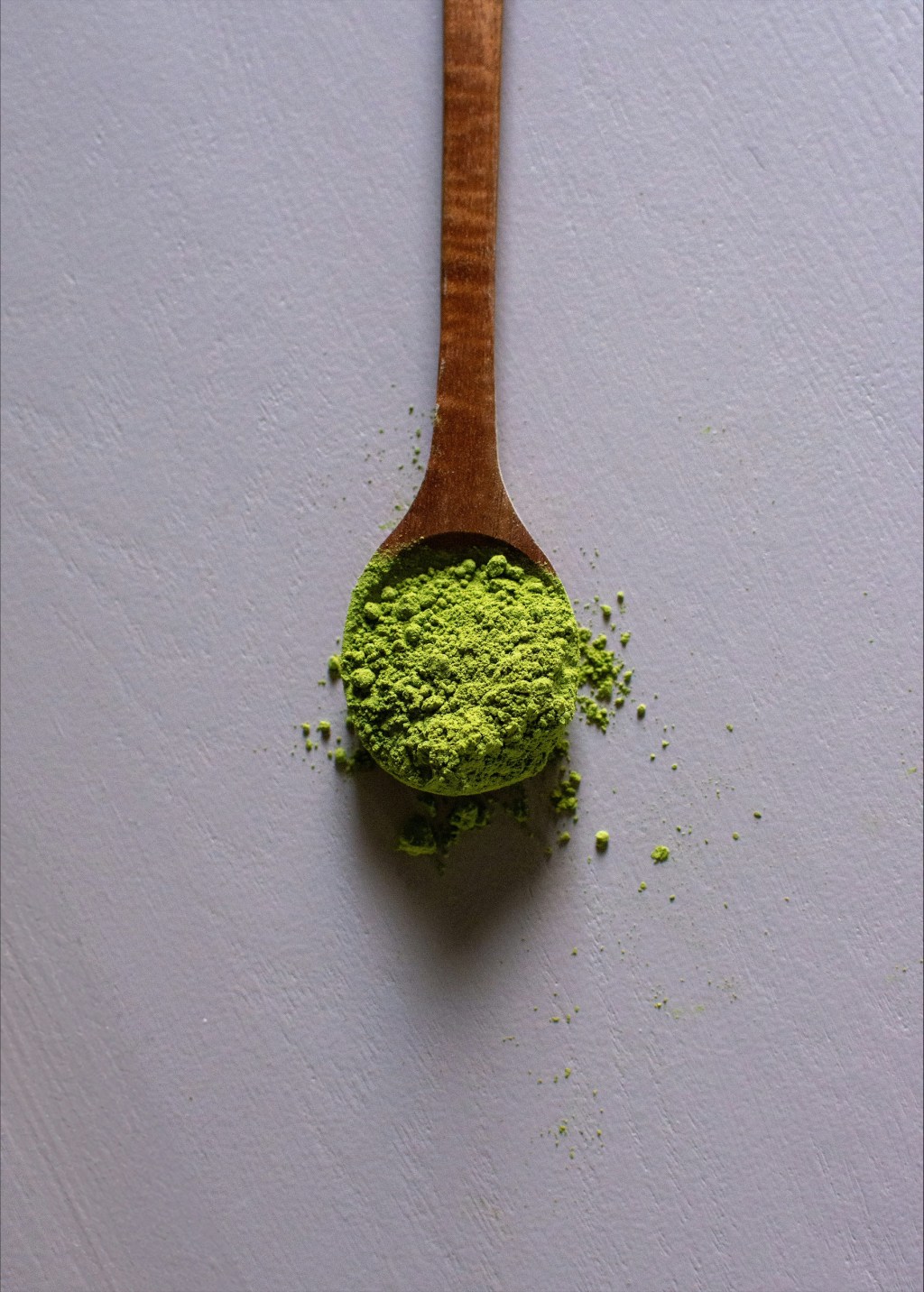
Matcha is a powdered green tea produced from shade-grown tea leaves, traditionally cultivated and processed in Japan. Unlike steeped tea, matcha is consumed whole, meaning the quality of cultivation, harvest, and processing directly defines the final experience.
The origins of matcha trace back to China’s Tang and Song dynasties, where powdered tea was first used in Buddhist monasteries. The practice later took root in Japan, where it evolved into a deeply disciplined agricultural and cultural system. Over centuries, Japanese tea farmers refined shade-growing techniques, harvest timing, and stone-grinding methods to preserve flavor, color, and nutritional integrity.
What distinguishes matcha from other teas is not novelty, but restraint. Tea plants are shaded weeks before harvest to slow growth and increase chlorophyll. Leaves are hand-selected, steamed, dried, and de-stemmed before being ground slowly into powder using granite stone mills. Each step prioritizes preservation over efficiency.
Matcha is often discussed today in the context of wellness or trend cycles. Historically, however, it has been a product of discipline — agricultural, cultural, and generational. Quality is protected not through marketing, but through process. Shortcuts show immediately in bitterness, color loss, and texture.
Understanding matcha requires understanding the systems behind it. It is not simply tea in powdered form, but the outcome of decisions made long before harvest: how much shade to apply, when to pick, how slowly to grind, and when to stop production to protect standards.
As global demand grows, matcha offers an important lesson. Crops that endure do so because their producers resist compromise. Matcha’s value has never come from speed or scale, but from patience and precision.
This is the foundation of why matcha matters — not as a trend, but as a system.

 The Coffee Realm
Leave a comment