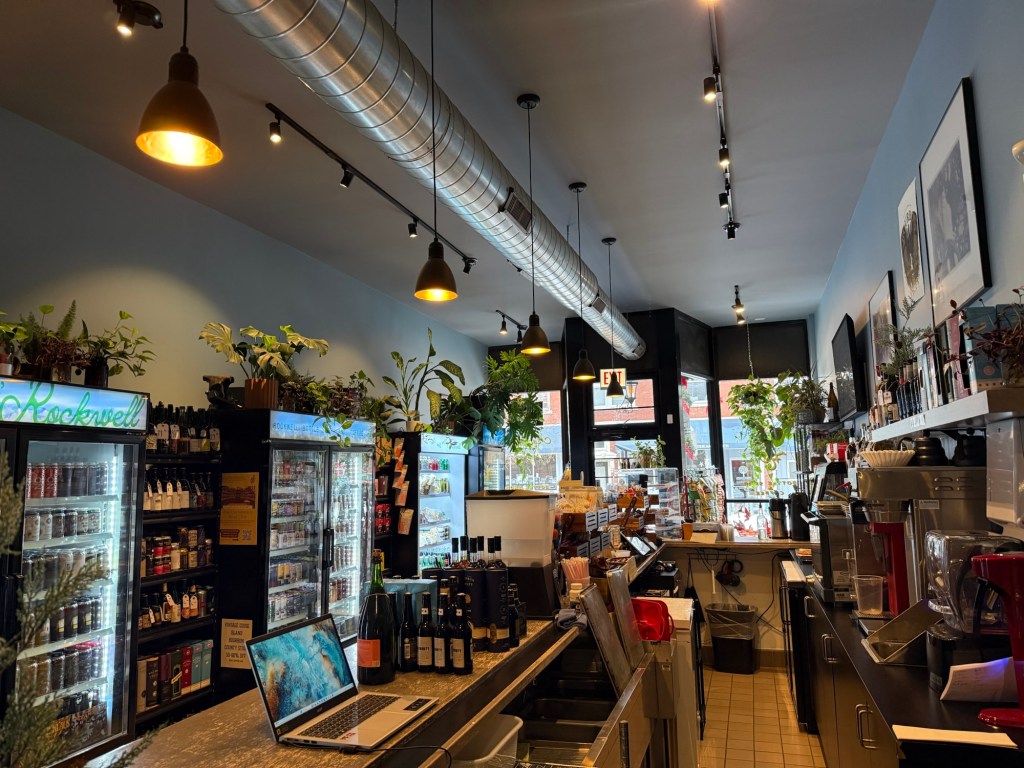
In 2025, coffee shops stand tall—not just as businesses, but as cultural anchors. Today, they represent much more than caffeine. They symbolize community, creativity, resilience, and the ongoing battle between convenience and craftsmanship. As the world moves faster, coffee shops remain one of the few places where people can pause long enough to think, connect, or simply breathe.
Over the last few years, the coffee landscape has shifted. Automation has entered the industry more aggressively than ever. Big-name brands now rely on machines that require little to no skill. No dosing. No dialing in grinders. No learning extraction or milk texturing. These systems are built for speed and consistency, and for corporate chains, they work.
But for independent shops—the ones that built coffee culture—standing tall looks very different.
A local café in 2025 isn’t defined by the latest machine or the trendiest drink. It’s defined by dedication to the craft. Baristas still weigh their shots, adjust their grinders, taste their espresso, understand origins, and respect the farmer behind the bean. They still believe that coffee is a skill, a ritual, and a story. They take the long route because it leads to something meaningful.
Standing tall also means standing for people. In a time when most transactions happen through apps and screens, coffee shops remain one of the last “human-first” spaces. Students write essays. Remote workers build companies. Friends reconnect. Strangers sit next to each other and eventually talk. Even five-minute conversations at the bar turn into small but important moments of community.
And for business owners, standing tall is becoming more challenging. Rising prices of beans, transportation, inflation, and wholesale costs have forced shops to adapt or close. Many struggled to keep drinks affordable without cutting quality. Others had to reinvent how they operate—simplifying menus, sourcing smarter, negotiating with roasters, or tightening their workflow. The ones that remain in 2025 didn’t survive by luck. They survived because they cared deeply and refused to compromise the heart of their craft.
Beyond the cup, coffee shops today carry global responsibility. They stand as the final link between the consumer and the farmer. As climate shifts reshape harvest seasons and unpredictable weather threatens yields, coffee shops become more than a place to drink—they become educators. They help customers understand why prices rise, why origins matter, and why protecting the future of coffee starts at the farm.
In 2025, coffee shops stand tall because they uphold something the world still needs: authenticity. Craft over shortcuts. People over automation. Community over convenience. Connection over speed. A reminder that not everything has to be instant.
A shop that stands tall is a shop that stands for something. It stands for the farmer who grows in difficult conditions. It stands for the barista who still practices their craft. It stands for the customer who wants more than a quick transaction. And it stands for the culture of coffee—a culture built on relationships, passion, and the journey from seed to cup.
Coffee shops in 2025 are more than businesses.
They are the places where modern life slows down just enough for real life to happen.
 The Coffee Realm