Walk into a café in one city and you might pay $4 for a latte. Walk into the same style café in another area and the same drink is suddenly $7 or more. Coffee prices have always varied, but recently the gap between standard pricing and inflated pricing has grown wide enough for customers to really feel it.
The truth is, the cost of coffee is shaped by more than the beans. Rent, location, wages, utilities, branding, and even local taxes all stack up. A shop in a high-cost area can’t charge the same price as a small café in a quieter town. That’s standard pricing — what it takes to simply stay in business.
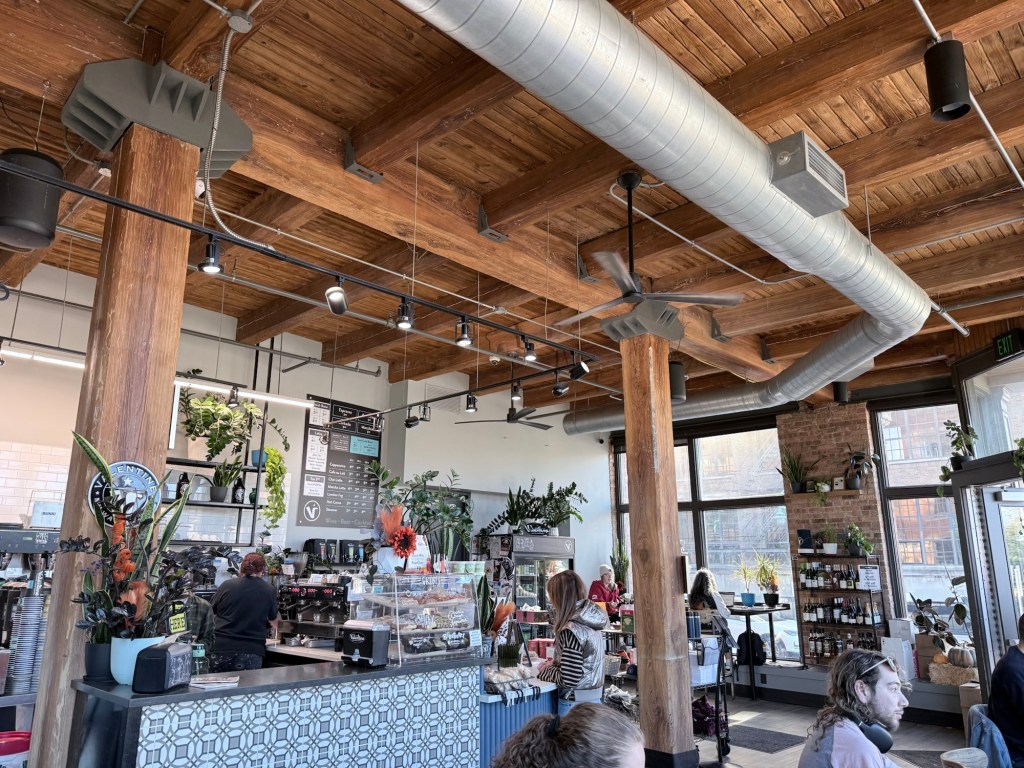
But then you have the inflated pricing, often found in trendy neighborhoods, luxury cafés, airports, hotels, or spots that lean heavily into branding or “experience.” Here, the price you pay is not only for the coffee; it’s for the ambiance, the image, the presentation, and sometimes the demand created by social media. These cafés know customers will pay more — not because the coffee costs more, but because the setting has value.
Yet, as prices rise, many people are starting to pause. A $7–$9 morning drink adds up quickly. The feeling is becoming common:
“If this continues, I’m better off making my coffee at home.”
And they’re not wrong. Home brewing is more affordable than ever. With a $20 French press or a simple drip machine, consumers can get quality coffee at a fraction of the cost. Even specialty beans bought from a local roaster can provide 10–15 cups for the price of one café drink.
We may be entering a shift where:
Daily coffee becomes home-brewed
Cafés become occasional treats instead of everyday stops
More people learn to appreciate the craft of brewing
This shift isn’t necessarily bad for the coffee industry — but it will force cafés to adapt. Shops with inflated pricing may need to justify their value through better service, unique menus, or a true community experience. Meanwhile, smaller independent cafés with fair prices and real craftsmanship may see loyal customers stick with them.
Coffee has always been about more than cost, but price does matter. As it continues to rise, consumers will naturally look for balance — quality, value, and experience that feels worth it.
Whether you drink coffee at home or in a café, the message is the same: people want honesty and consistency in what they pay for. And if prices keep climbing without a clear reason, the home coffee movement will only grow stronger.
 The Coffee Realm