Today, many large coffee chains are embracing automation. Machines now handle tasks that once defined a barista’s skill — grinding, dosing, tamping, and even steaming milk. These systems promise consistency and speed, making it easier for businesses to train new employees and serve more customers in less time.
From a business perspective, it makes sense. Fewer errors, faster lines, and predictable results. For many companies, it’s the future — a way to meet demand while keeping operations efficient. But it also raises an important question: what happens to the art of coffee-making when machines do the work?
Being a barista used to mean something beyond customer service. It was about craft — knowing your grind size, feeling the resistance in the portafilter, adjusting the shot timing to bring out flavor. A great barista could taste the difference between a rushed extraction and a perfect one. That human element gave coffee shops character.
As automation grows, some of that character risks being lost. When machines handle every detail, cafés begin to feel more uniform — less personal, less connected to the roots of coffee culture.
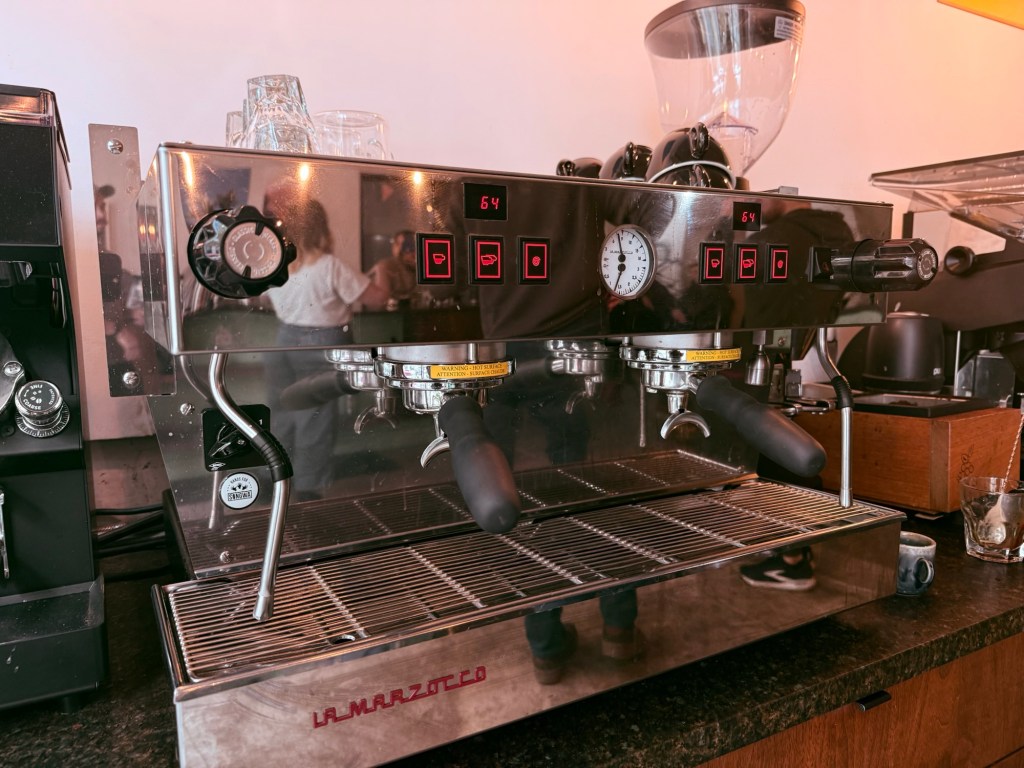
That’s why small, independent cafés still hold a special place in the heart of true coffee lovers. These mom-and-pop shops still use espresso machines with portafilters, manual grinders, and hands-on technique. Every cup carries a bit of personality — the result of care, attention, and years of practice.
Technology can help businesses grow, but balance is key. Efficiency shouldn’t erase tradition. The challenge now is finding ways to keep the craft alive while embracing innovation where it makes sense.
So next time you order coffee, take a moment to notice how it’s made. Are you drinking a machine’s convenience — or a barista’s craft? The difference may be subtle in taste, but powerful in meaning.
 The Coffee Realm