When you buy a cup of coffee, it’s easy to overlook what went into that price. But behind every sip are countless hands—farmers, processors, exporters, importers, and roasters—all working hard to bring that coffee to life. The cost of labor and the impact of taxes are two of the biggest factors that quietly shape the coffee industry today.
At the farm level, coffee is labor-intensive. Each bean is handpicked, often in steep or remote areas, under unpredictable weather conditions. In many producing countries, especially across Africa, Latin America, and parts of Asia, smallholder farmers rely on family labor. The average farmer earns only a small fraction of the retail price of coffee—sometimes less than 10 cents on every dollar spent by consumers.
Labor costs continue to rise as farmers strive to pay fair wages, invest in better working conditions, and cope with inflation. Yet, global coffee prices don’t always reflect these realities. When the international coffee market dips, farmers often feel it first. They are forced to balance paying workers fairly with simply keeping their farms alive.
Then come the taxes and trade costs. As coffee travels from farm to roaster, it moves through several hands—and each step adds costs. Export taxes, import duties, transportation fees, and local sales taxes all affect the final price. In some producing countries, governments tax exports to support infrastructure or social programs. While these taxes serve an important role, they can reduce farmers’ margins and make coffee more expensive for importers and roasters.
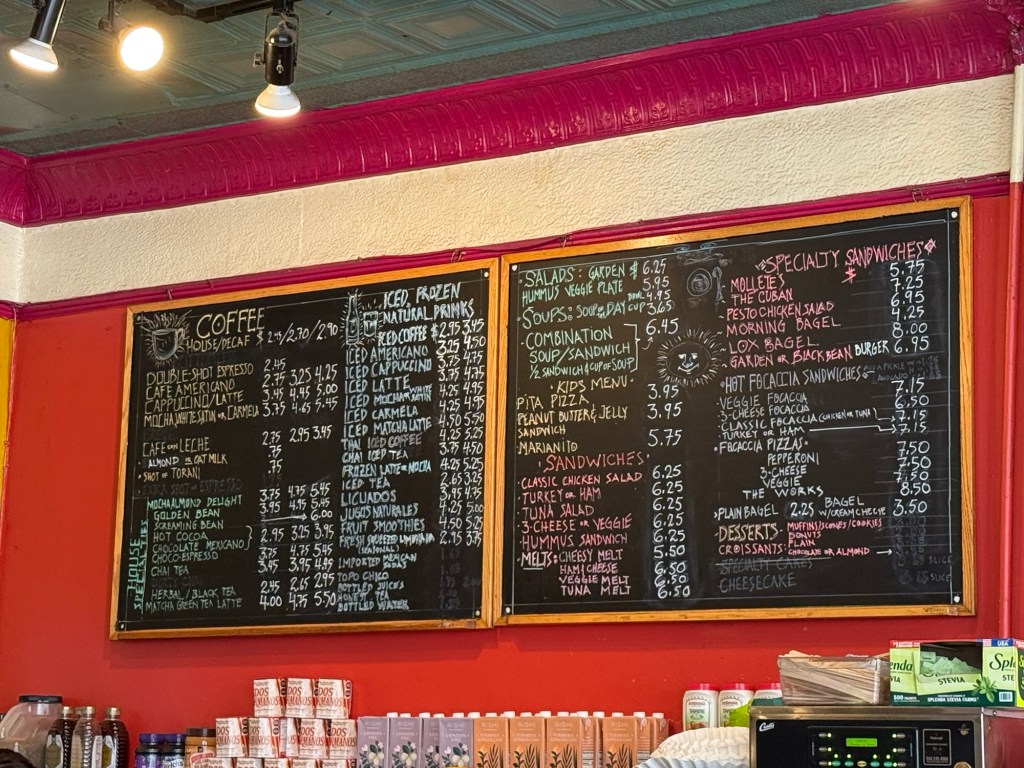
By the time a roasted bag reaches your favorite café, it has passed through layers of taxation, shipping, and retail markup. Add café operating costs—rent, wages, and utilities—and a $5 latte suddenly makes sense.
Understanding this process helps us appreciate the real value of coffee. It’s not just about beans—it’s about the people, time, and systems behind them. Supporting brands that prioritize transparency, fair trade, and sustainable sourcing helps ensure that farmers receive a fairer share.
As consumers, we often want affordable coffee, but true fairness in the coffee world means recognizing that quality and ethics have a price. The next time you take that first sip, remember that your cup carries a global story—one written by labor, shaped by taxes, and fueled by dedication.
 The Coffee Realm