Coffee has always been more than a drink; it’s an experience, a ritual, and for many, a daily anchor. Yet the way coffee is brewed has shifted dramatically over time. What once required patience, fire, and tradition can now be done at the push of a button. Still, circumstances — where you are, what you have, and how much time you can spare — often determine the method.
Old Age Brewing: Tradition and Patience
Centuries ago, coffee was slow by design. Take the Turkish cezve, for instance. Ground coffee, water, and sugar are simmered over low heat, sometimes multiple times, creating a strong, rich cup with a thick body. This method isn’t just about flavor; it’s about community. Families and friends gather around, waiting and talking while the cezve bubbles away.
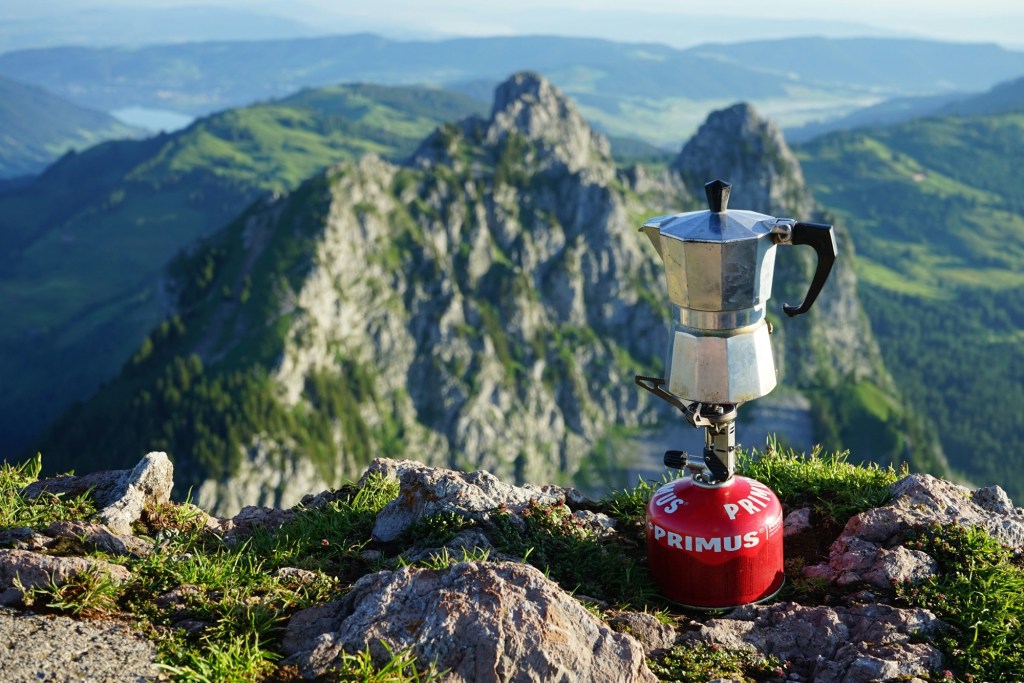
The moka pot, an Italian staple from the 1930s, carried forward that sense of ritual. Placed on a stovetop, it slowly pushes boiling water through coffee grounds, delivering a bold, espresso-like drink. In rural homes, campsites, or kitchens where technology was scarce, this became a reliable companion.
Circumstances like limited resources, slower lifestyles, and cultural tradition shaped these methods. They represent patience and care — a reminder that good things take time.
New Age Brewing: Innovation and Convenience
Fast-forward to today, and coffee has adapted to match modern life. The aeropress delivers a clean, bright cup in under two minutes. Pod machines like Nespresso or Keurig offer consistency at the push of a button. Precision pour-over devices with digital scales and temperature control give enthusiasts café-quality results at home.
Here, circumstances are different: early meetings, back-to-back schedules, and the desire for repeatable perfection. Technology fills the gaps where time and skill may be lacking. New age brewing reflects flexibility — one person’s recipe can be replicated worldwide with the same device and settings.
Circumstances Shape the Cup
The truth is, neither method is superior; they simply serve different moments.
On a quiet Sunday morning, a French press might feel right — the slower steeping aligning with a relaxed pace. On a rushed weekday, a pod machine may be the lifesaver that gets you out the door on time. At a campfire, nothing feels more grounding than a simple percolator or moka pot. At home, experimenting with pour-over gear may scratch the itch for precision and creativity.
In every case, circumstances decide the brew. Old age methods highlight tradition and connection, while new age methods embody convenience and innovation.
Bridging Past and Present
Perhaps the real magic lies in combining the two worlds. You might appreciate the heritage of a cezve while enjoying the efficiency of an aeropress. Both methods remind us of why coffee matters: it adapts to us. Whether slow or fast, manual or automatic, coffee has always been about creating a moment worth savoring.
At the end of the day, the cup in your hand is more than caffeine. It’s history, culture, circumstance, and choice — brewed together.
 The Coffee Realm